Here is the single most useful thing to know before booking your trip: Koh Samui's seasons are different from Phuket's. The island sits on the Gulf of Thailand, not the Andaman Sea, so when Thailand's west coast is drowning in monsoon rain, Samui is often bathed in sunshine, and vice versa. Plenty of travellers plan their whole itinerary around "Thailand's rainy season" without realising the country has two different ones. This guide fixes that.
The short answer
For a first visit centred on the sea, aim for February to April: dry days, glassy water and peak visibility for snorkeling. For the best balance of good weather, lower prices and fewer people, aim for June or July. The only period we'd honestly steer you away from, if boat days are the heart of your trip, is November, the wettest month of Samui's short monsoon.
Choose the right month, everything else gets easier
Koh Samui runs on the Gulf calendar, not Phuket's: our wettest weeks land in November, not August. Each bar below is average rainfall, month by month - pick one to see the sea, the crowds, the prices and what we would put in your diary that week.
Ask us about your dates ▸Bar height = average monthly rainfall. November peaks near 434 mm; February bottoms out around 58 mm. Figures are long-term averages for the north-east coast - the sea, not the sky, is what usually decides a boat day.
January Golden months
Dry, calm sea and Ang Thong reopened after its recovery break - superb, busy, book ahead.
- Rain138 mm
- SeaCalm
- CrowdsPeak
- PricesHigh
Good days for: Ang Thong Marine Park · Koh Tao & Koh Nang Yuan
February Golden months
The statistical sweet spot: the least rain of the year and water like glass. Also the month private boats sell out fastest.
- Rain58 mm
- SeaGlassy
- CrowdsPeak
- PricesTop
Good days for: Snorkeling at Koh Tao · private yacht days
March Golden months
The hottest stretch begins and underwater visibility peaks, regularly beyond twenty metres around Koh Tao.
- Rain62 mm
- SeaGlassy
- CrowdsBusy
- PricesHigh
Good days for: Diving & snorkeling · Koh Madsum
April Golden months
Very hot, and Songkran (Thai New Year, 13–15 April) turns the whole island into a joyful water fight.
- Rain82 mm
- SeaCalm
- CrowdsBusy
- PricesHigh
Good days for: Temples & island tour · Koh Madsum
May Insider's pick
First afternoon showers, crowds gone, prices drop. Genuinely underrated - twenty loud minutes of rain, then sun and steam.
- Rain156 mm
- SeaCalm
- CrowdsQuiet
- PricesLow
Good days for: Private boat charters · sunset cruise
June Insider's pick
Our favourite month, and the one most locals recommend to their own friends: sunny, quiet, excellent value.
- Rain98 mm
- SeaCalm
- CrowdsQuiet
- PricesLow
Good days for: Ang Thong Marine Park · yacht charter
July Insider's pick
Like June, with slightly busier beaches around the European holidays. Sea days still run almost every day.
- Rain124 mm
- SeaCalm
- CrowdsLively
- PricesMid
Good days for: Koh Madsum & Koh Tan · Ang Thong
August Insider's pick
Lively but manageable, nothing close to the February peak. Book the big sea days a few days ahead.
- Rain115 mm
- SeaCalm
- CrowdsBusy
- PricesMid
September Green season
The gamble month: often lovely, occasionally squally, always cheap. We make the go/no-go call the evening before.
- Rain145 mm
- SeaChangeable
- CrowdsNear-empty
- PricesLowest
Good days for: 4x4 jungle safari · pink dolphins
October Green season
Greenest jungle of the year, lowest prices, waterfalls at full roar, sea days confirmed day by day.
- Rain268 mm
- SeaChoppy
- CrowdsNear-empty
- PricesLowest
Good days for: Waterfalls & jungle · ATV quad
November Short monsoon
The real monsoon month. Ang Thong usually closes, the sea turns rough - plan land days, temples and spa days.
- Rain434 mm
- SeaRough
- CrowdsNear-empty
- PricesLowest
Good days for: Temples & island tour · Muay Thai night
December Monsoon → festive
Rain fades around mid-month and the festive season arrives: blue skies, sparkle, and the highest prices of the year.
- Rain200 mm
- SeaChangeable
- CrowdsPeak
- PricesTop
Good days for: Festive yacht charter · Ang Thong (from mid-December)
- Golden months - driest, calmest, busiest
- Insider's pick - hot, cheap, half-empty
- Green season - lowest prices, changeable sea
- Short monsoon - land days and spa days
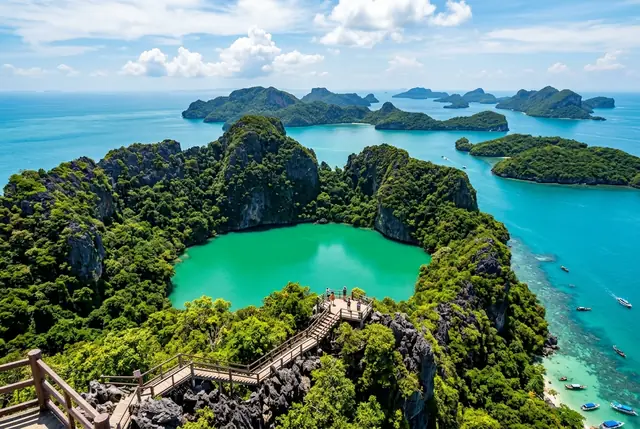
January to April - the golden months
This is Samui at its postcard best. Rain is rare, humidity drops, and the sea turns calm and transparent. Underwater visibility around Koh Tao and Koh Nang Yuan regularly exceeds twenty metres, which is why divers and snorkelers plan their trips for these months. Boat departures to Ang Thong National Marine Park run without a hitch, and the park itself reopens in late December after its annual recovery break.
The flip side is predictable: this is high season. Flights and hotels cost more, the most popular tours fill up several days ahead, and February beaches are busy. Book your must-do excursions early - especially private boats around Valentine's Day, which sell out fast.
May to August - the insider's pick
Ask anyone who lives on Samui when they'd tell their friends to visit, and most will say June. The weather stays hot with brief, dramatic afternoon showers that clear as fast as they arrive. The sea remains friendly for swimming and snorkeling, sunsets get moodier and more photogenic, and the island exhales: quieter beaches, easier restaurant tables, better prices on everything from villas to private boat charters.
August brings European holiday crowds back for a few weeks, but nothing close to the February peak. If you want the high-season experience without the high-season price tag, this window is your friend.
September to October - the lottery months
Now the weather turns changeable. You can still score a week of glorious sunshine in late September, we see it every year, but you can also catch the first serious squalls of the approaching monsoon. Sea trips are confirmed day by day depending on the swell, which is exactly why we make our go/no-go call the evening before and offer a free reschedule or refund when the forecast says no.
The upside is real: these are the cheapest weeks of the year, and land-based adventures are barely affected. A 4x4 jungle safari after September rain is arguably better than in the dry season - the waterfalls of Na Muang roar, the jungle glows green, and the trails have that fresh-earth smell you'll remember for years.
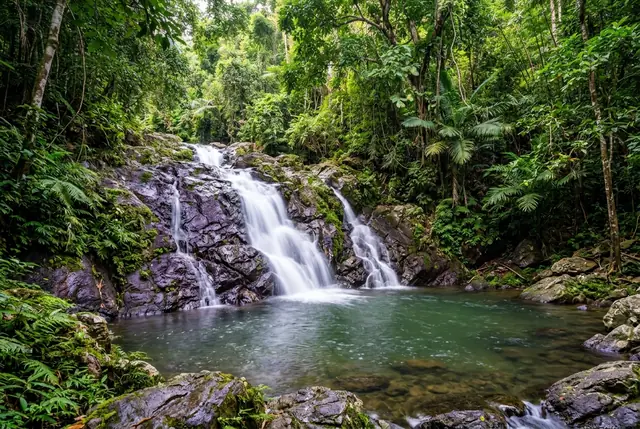
November to December - Samui's short monsoon
Samui's rainy season arrives late, precisely when the rest of Thailand dries out. November is the wettest month: proper tropical downpours, a rough sea, and the temporary closure of Ang Thong Marine Park (usually November to mid-December) so nature can recover. It never rains for weeks on end - squalls pass, sun returns - but if your dream trip is built around boat days, this isn't the window. What still works on a wet day, and what doesn't, is in our rainy season guide.
That said, the island doesn't shut down. Temples, spas, Thai cooking classes, markets and waterfall hikes carry on happily, and mid-December usually flips the switch back to blue skies just in time for the holiday crowds. Christmas and New Year on Samui are magical, and priced accordingly.
Best month by activity
- Snorkeling & diving: February to April for peak visibility; June–July a close second.
- Ang Thong Marine Park: January to April; the park closes for part of Nov–Dec.
- Pink dolphin watching in Khanom: possible most of the year, mornings are always best. See our Pink Dolphins tour.
- Jungle, waterfalls & ATV: spectacular from September to December, when the interior is greenest.
- Sunset cruises: year-round, weather permitting, the moodiest skies happen in shoulder season.
- Budget travel: September–October, hands down.
Three local tips before you book
1. Don't over-plan around rain. Tropical rain is an event, not a mood: twenty loud minutes, then sunshine and steam. Outside of November, it will rarely cost you a full day.
2. Book sea days early in your stay. If a squall does force a reschedule, you'll have spare days to play with instead of losing the trip entirely.
3. Ask a local before you lock dates. Forecasts for tropical islands are notoriously pessimistic, the little rain icon often means one shower at 4 pm. Message us on WhatsApp and we'll tell you honestly what the sea is doing that week.
The bottom line
There's no bad month to be on a tropical island, only better and worse months for specific plans. Come February–April for the sea at its clearest, June–July for the smart-value sweet spot, September–October for green jungle and low prices, and know that November asks for flexibility. Whenever you land, we'll build the best possible day around the weather you get.